The Balance Between Manual Control and Automation in the Smart Home

The Balance Between Manual Control and Automation in the Smart Home
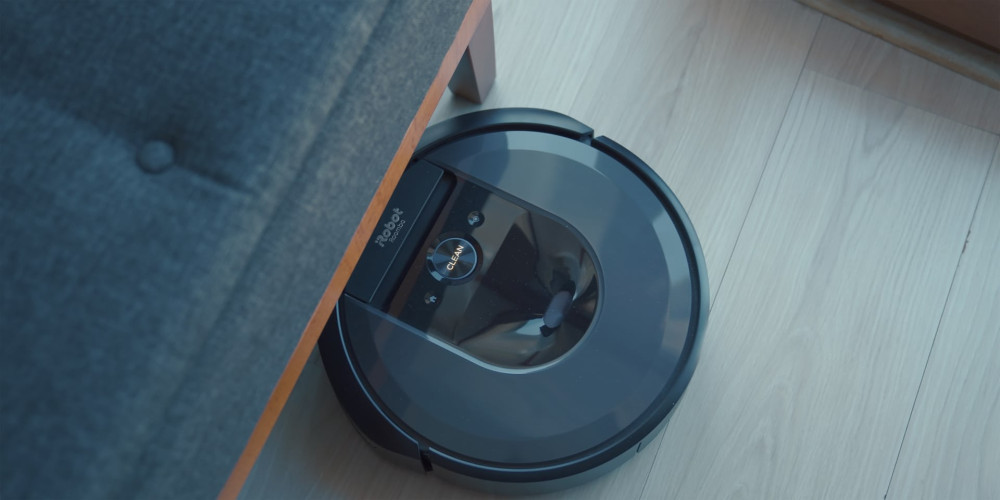
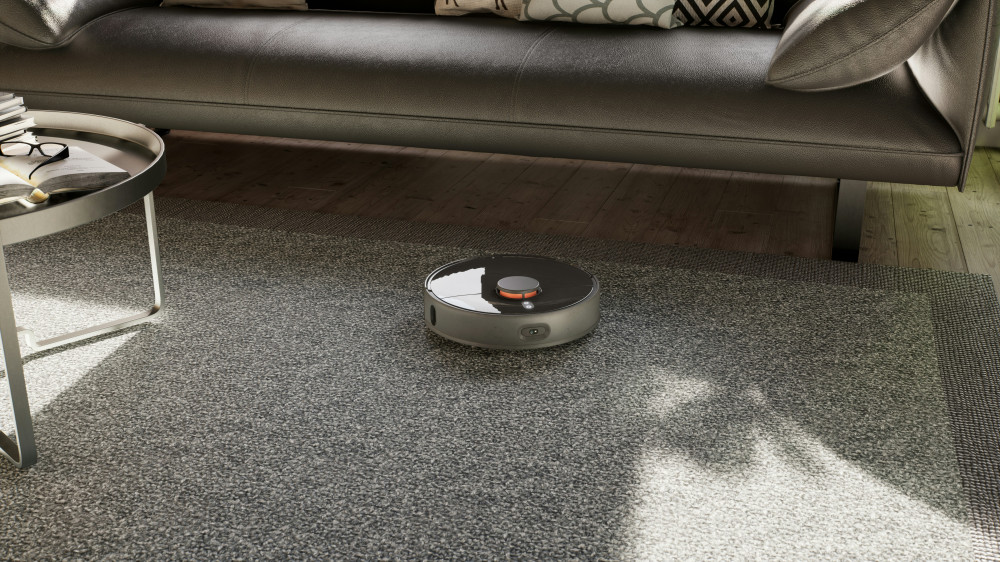
The smart home promises comfort, efficiency, and security — all powered by technology that works on our behalf. Lights turn on as we enter a room, thermostats adjust to the weather, and robot vacuums clean while we’re away. Yet amid all this convenience, an important question arises: How much control are we willing to hand over? And how do we find the right balance between automation and human decision-making?
When the Home Thinks for Itself
Home automation has become more advanced than ever. Sensors, algorithms, and voice assistants allow our homes to “think” for themselves. Systems can learn our routines — when we wake up, when we return home, and how warm we like the living room.
This intelligence can make daily life easier and more energy-efficient. A thermostat that lowers the temperature when no one is home saves both money and energy. Lights that turn off automatically reduce waste. But when technology starts making decisions for us, it can also lead to frustration — especially when the system misinterprets our intentions.
The Need for Manual Control
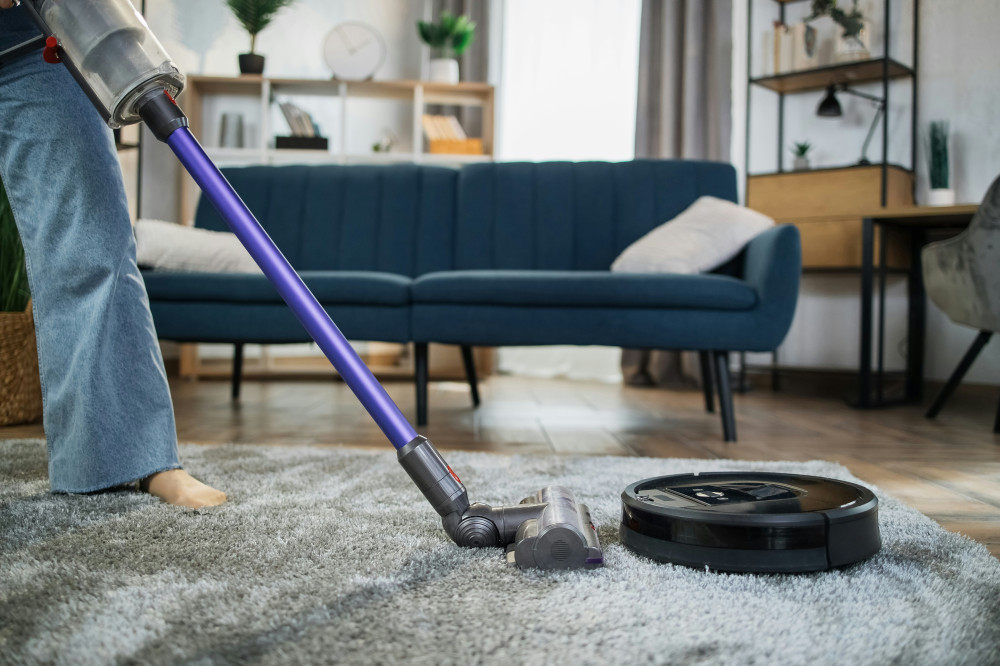
While automation can seem like the perfect solution, there are times when manual control remains essential. Many users want the ability to override the system — to turn on a light even if the sensor thinks it’s bright enough, or to open a window even when the air conditioner is running.
Manual control isn’t just about functionality; it’s about comfort and trust. Being able to intervene gives homeowners a sense of ownership and security. When technology becomes too autonomous, people can feel alienated in their own homes — as if the house is in charge instead of them.
Designing with People in Mind
The best smart homes are those where technology adapts to people, not the other way around. That requires thoughtful design focused on usability and flexibility. A well-designed system allows both automation and manual control without making either feel cumbersome.
For example, lighting that automatically adjusts to the time of day but can also be changed with a simple tap or voice command. Or a security system that arms itself automatically but allows temporary adjustments when guests visit. The goal is to create harmony between technological intelligence and human intuition.
Læs også:
Trust and Transparency
For automation to feel safe, it must also be understandable. Many users lose trust in smart systems when they can’t figure out why something happened. Why did the lights turn on suddenly? Why did the temperature change? When technology becomes a “black box,” we lose our sense of control.
That’s why transparency is key. Systems should be able to explain their actions — for instance, through an app that shows which sensors or rules triggered a response. This turns technology from a mysterious force into a partner we can collaborate with.
The Future Home: Collaboration Between Human and Machine
In the smart homes of the future, the line between manual control and automation will become even more fluid. Artificial intelligence will predict our needs with greater accuracy, but there will also be growing emphasis on user autonomy and privacy. In the U.S., discussions around data protection and ethical AI design are increasingly shaping how smart home products are built and regulated.
The ideal balance lies in a home where technology works quietly in the background — efficient, adaptive, and respectful — while the homeowner always has the final say. A home that’s not just smart, but truly personal.
Læs også: