Robots in the Home: Vacuums and Mops That Make Cleaning Easier

Robots in the Home: Vacuums and Mops That Make Cleaning Easier
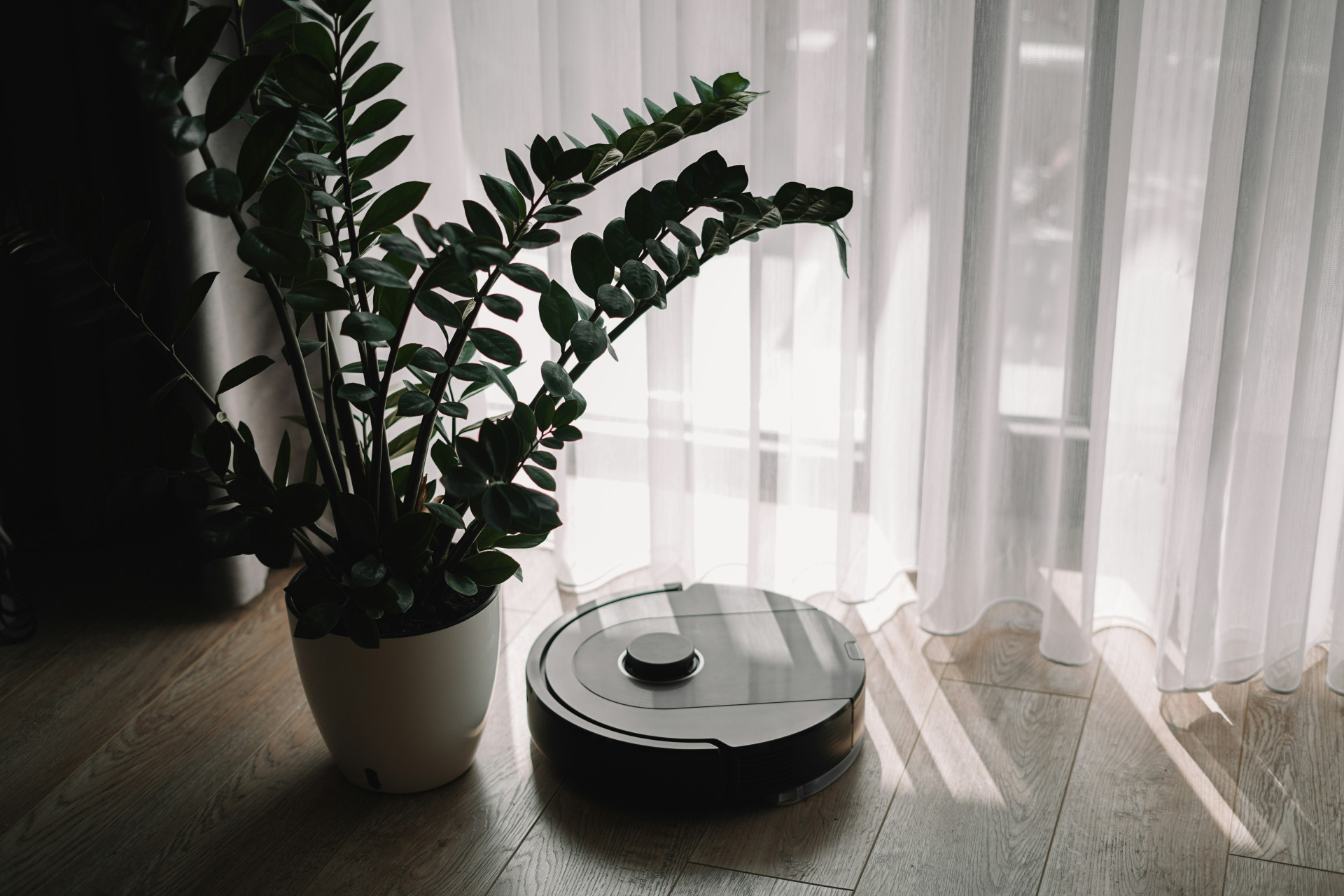
Robots have quietly become part of everyday life—not as futuristic companions, but as practical helpers that take care of chores we’d rather avoid. Among the most popular are robot vacuums and mops, which keep floors clean with minimal effort from you. But how do they actually work, and what should you consider before bringing one into your home?
From Luxury Gadget to Everyday Appliance
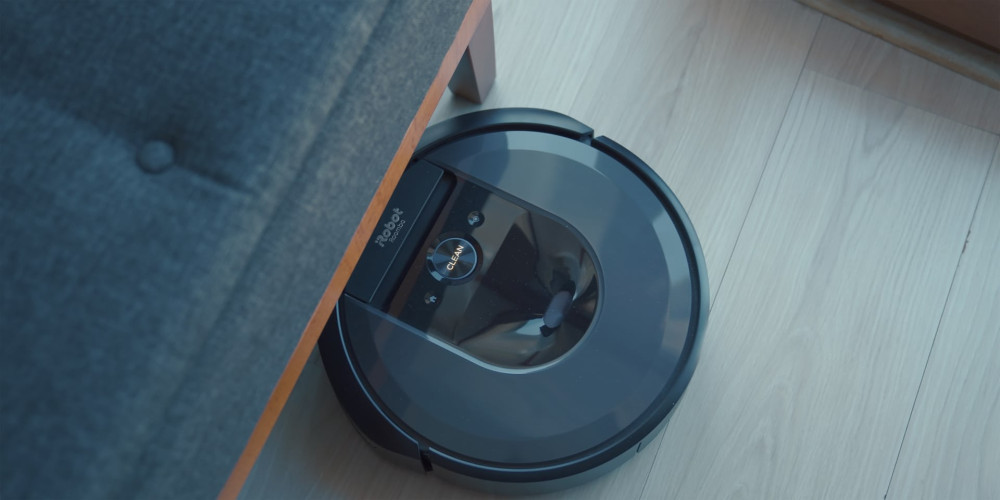
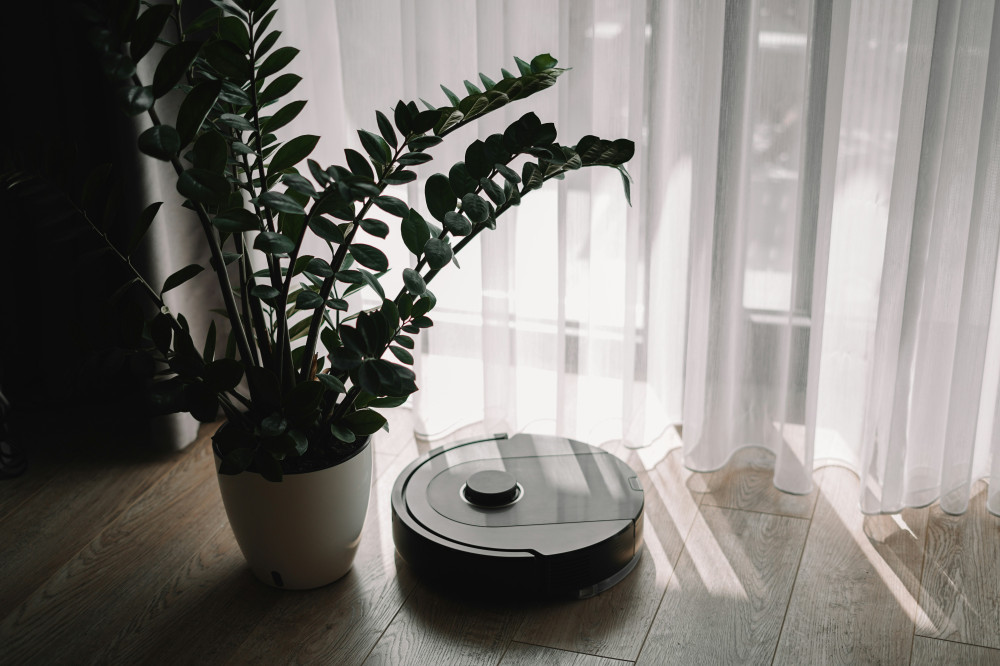
When the first robot vacuums appeared in the early 2000s, they were seen as expensive novelties. They bumped into furniture, got stuck under chairs, and often couldn’t find their way back to the charging dock. Today’s models are far more advanced. Using cameras, sensors, and laser-based navigation, they can map your home and clean in a systematic pattern rather than wandering randomly.
At the same time, prices have dropped and performance has improved. What was once a luxury item is now a common household appliance—much like the dishwasher or washing machine. For many Americans, a robot vacuum has become a convenient way to keep up with daily messes, especially in busy households with kids or pets.
How a Robot Vacuum Works
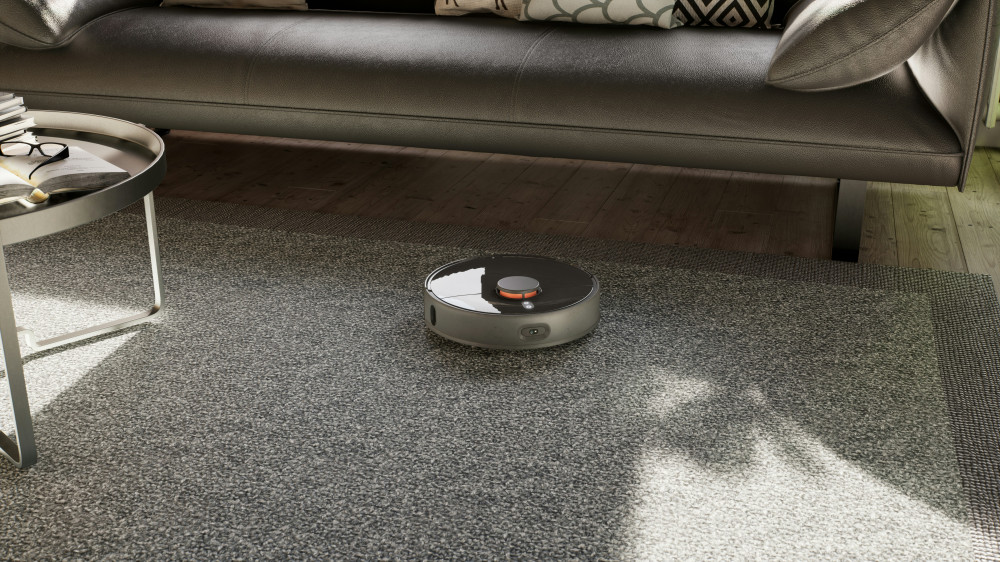
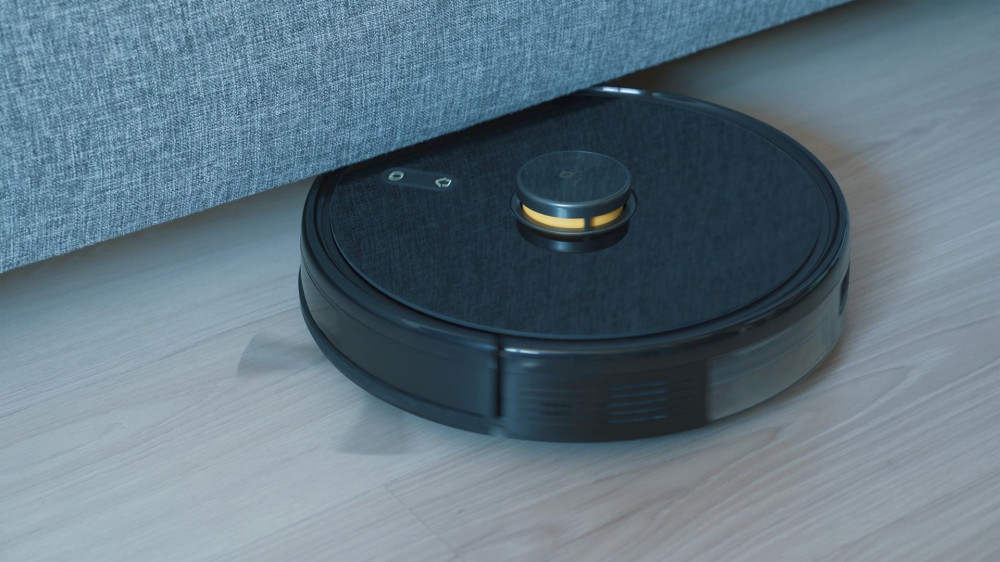
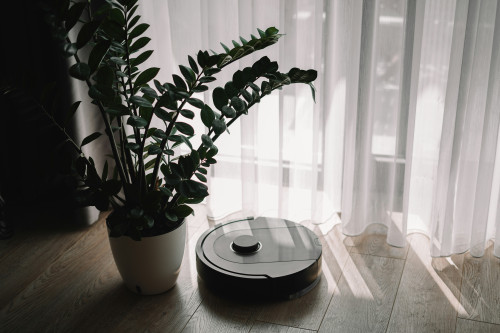
A robot vacuum uses sensors to detect walls, furniture, and stairs. The most advanced models rely on LiDAR (laser distance measurement) to create a detailed map of your home. This allows the robot to plan an efficient route and avoid cleaning the same area twice.
Most can be controlled through a smartphone app, where you can view the map, schedule cleanings, select specific rooms, or set “no-go zones” where the robot shouldn’t enter. Some models automatically increase suction when they detect carpet, ensuring a deeper clean where it’s needed most.
Robot Mops: The Next Step Toward Hands-Free Cleaning
Robot mops work similarly to vacuums, but instead of collecting dust, they use water and microfiber pads to wash the floor. Some devices combine both vacuuming and mopping functions, while others are dedicated mops.
High-end models can automatically dispense water, rinse their pads, and return to a base station for self-cleaning. That means you can have your floors mopped several times a week with almost no effort—just refill the water tank and empty the dirty one occasionally.
What to Consider Before Buying
Before investing in a robot vacuum or mop, it’s worth thinking about a few practical factors:
- Home layout: Lots of rugs, thresholds, or tight spaces can affect how well the robot performs.
- Battery life and charging: Larger homes may require models with long battery life or automatic recharge and resume functions.
- App and smart home integration: If you already use Alexa, Google Home, or Apple Home, look for a model that connects easily with your system.
- Maintenance: Even the smartest robot needs some care—emptying the dustbin, cleaning brushes, and replacing filters regularly.
Læs også:
Benefits and Limitations
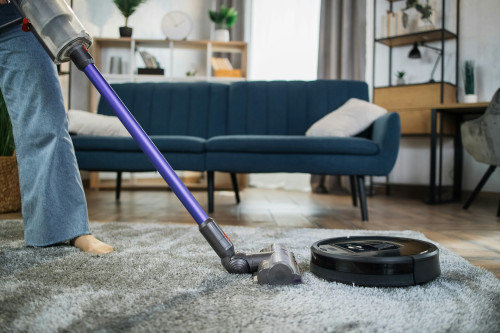
The biggest advantage of robot cleaners is obvious: they save time and help maintain a consistently clean home. Many users find they vacuum more often simply because the robot can run while they’re at work or asleep. This can be especially helpful for families with pets, where fur and dander accumulate quickly.
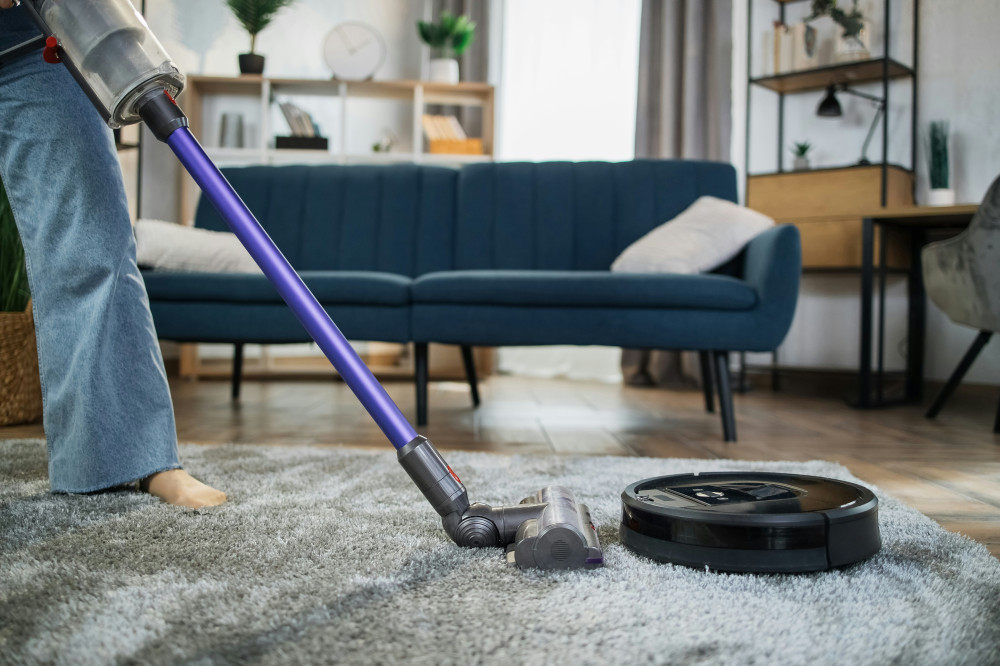
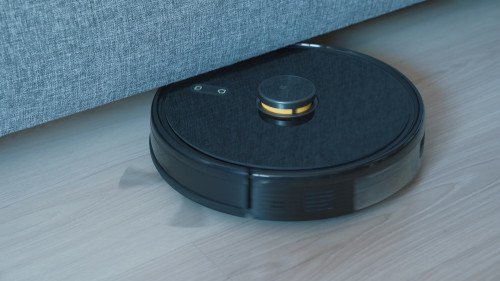
However, robots aren’t perfect. They can struggle with corners, thick rugs, or cluttered spaces, and they perform best on hard floors. A thorough manual cleaning will still be necessary from time to time—but as a daily helper, they make a noticeable difference.
The Future of Home Robots
Technology is advancing fast. Newer models can recognize objects like cords, shoes, and pet waste, and some can even empty their own dustbins into a larger base. In the near future, we may see vacuums and mops that coordinate their work, or smart home sensors that help them navigate even more precisely.
Manufacturers are also focusing on sustainability—developing robots that use less energy and water, and that can be repaired or upgraded instead of replaced.
A Helping Hand for Busy Lives
Robot vacuums and mops won’t replace traditional cleaning entirely, but they can make everyday life much easier. They free up time, reduce dust, and help keep your home looking neat with minimal effort. For many Americans, it’s hard to imagine going back to life before these quiet, efficient helpers.
The future of home cleaning is already here—and it’s rolling quietly across your floors.
Læs også: