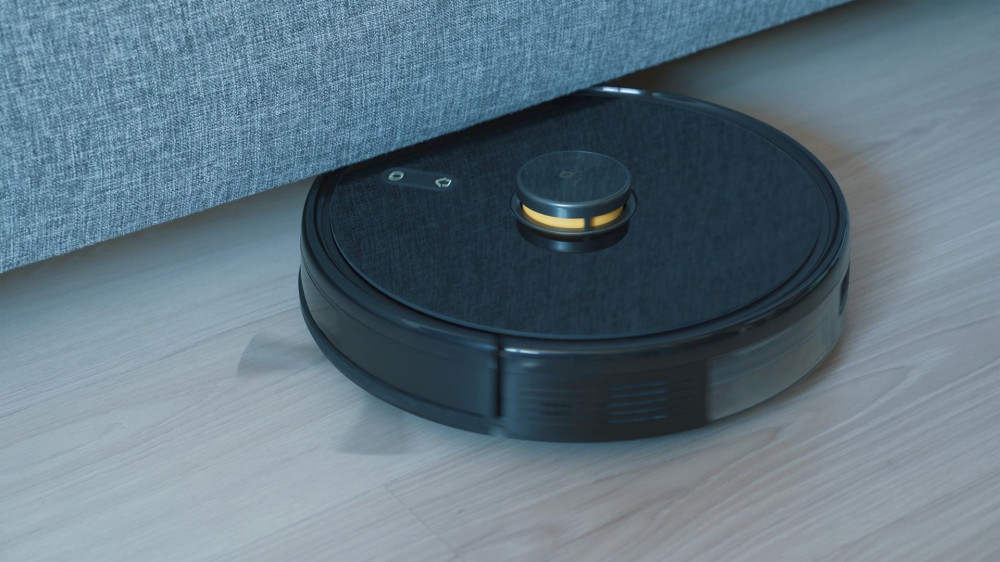
Solar Energy Meets the Smart Home: How to Integrate the Technology into Your Home

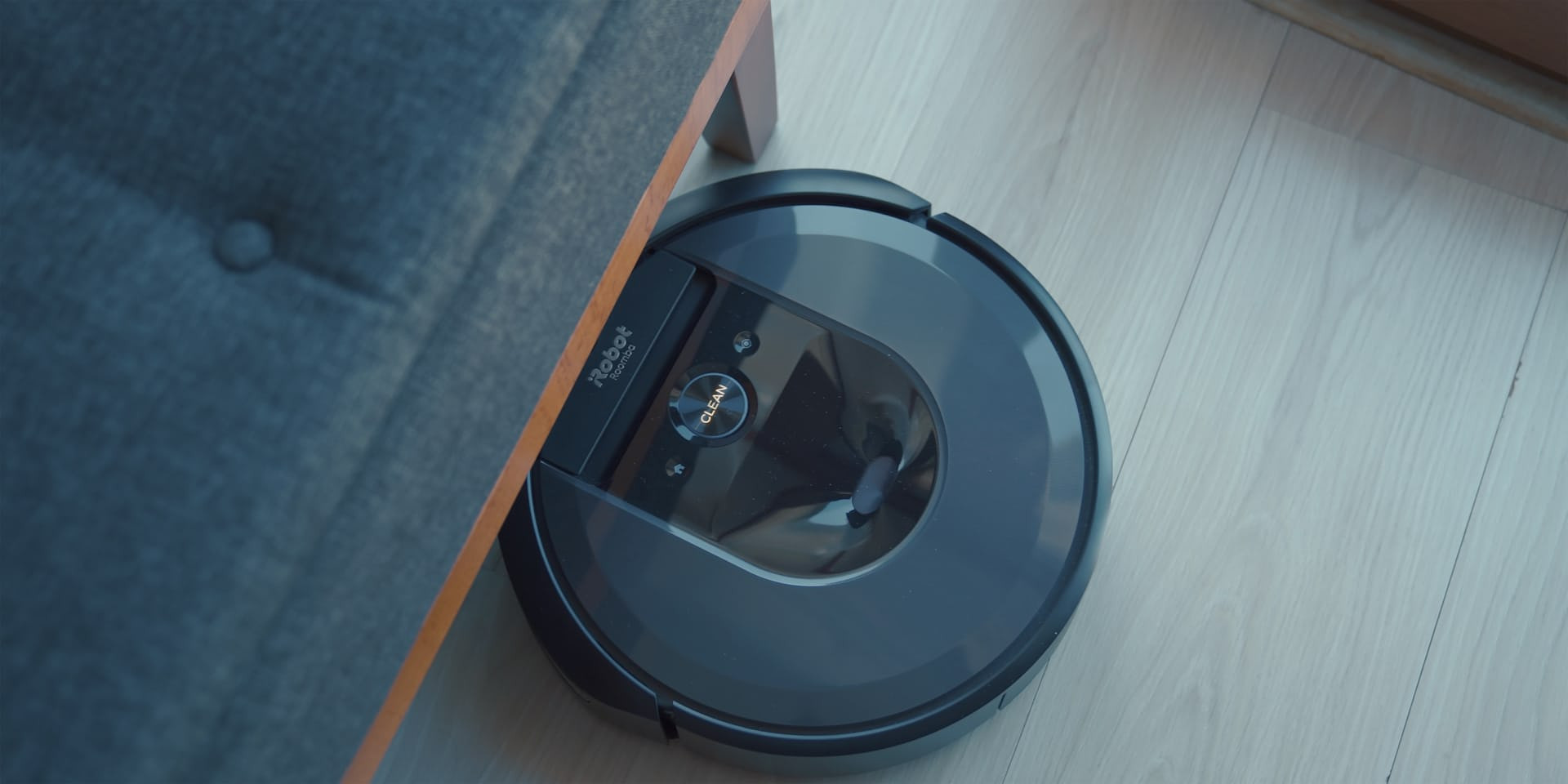
Solar Energy Meets the Smart Home: How to Integrate the Technology into Your Home
Solar energy and smart home technology are two of the most transformative trends shaping modern living. When combined, they can reduce energy costs, increase comfort, and make your home more sustainable. In this article, we’ll explore how to integrate solar power into your smart home—from planning and installation to managing and optimizing your energy use.
Why Combine Solar Energy and Smart Home Technology?
Solar panels generate electricity when the sun is shining, but your household energy use fluctuates throughout the day. Smart home systems can help you make the most of your solar production by automatically managing appliances, heating, and charging based on when energy is most available.
A smart system can, for example:
- Run your dishwasher or laundry when solar production peaks.
- Charge your electric vehicle (EV) during midday instead of overnight.
- Adjust your HVAC system to take advantage of solar energy in real time.
The result is a home that saves money, reduces its carbon footprint, and operates efficiently—without you having to think about it.
Plan Integration from the Start
If you’re considering installing solar panels, it’s best to think about smart home integration early in the process. This ensures that your components can communicate seamlessly.
- Choose an open system: Make sure your inverter (the device that converts solar energy into usable electricity) can integrate with your smart home platform. Many manufacturers support open APIs or standards like Google Home, Amazon Alexa, or Apple HomeKit.
- Think long-term: Technology evolves quickly. Choose systems that can be updated and expanded so you’re not locked into one manufacturer.
- Consider energy storage: A home battery can store excess solar energy for later use, increasing your energy independence and making your smart home even more efficient.
Manage Energy Intelligently
Once your solar panels are installed, the key is to maximize the value of the electricity you produce. Smart home automation plays a central role here.
- Automate energy use: Use sensors and schedules to control when appliances run. For instance, your washing machine can start automatically when solar production exceeds a certain threshold.
- Monitor in real time: Many systems let you track both production and consumption through an app, giving you insight into when you use the most energy—and where you can save.
- Integrate with climate control: Combine solar energy with a smart thermostat or heat pump that automatically adjusts based on solar output.
The EV as Part of the Energy System
Your electric vehicle isn’t just transportation—it can also be part of your home’s energy ecosystem. With the latest technologies, your EV can charge when solar production is high, and in the near future, “vehicle-to-home” (V2H) systems will even allow it to send power back to your house.
By integrating your EV into your smart home, you can:
- Minimize charging costs.
- Increase your self-consumption of solar energy.
- Support grid stability by balancing energy demand.
Data, Security, and Control
A solar-powered smart home generates a lot of data—about production, consumption, and usage patterns. This data is valuable but also requires careful handling.
- Use secure connections: Keep all devices updated and protected with strong passwords.
- Choose trusted providers: Research how manufacturers handle data and whether their systems can operate locally without constant internet access.
- Stay in control: A good smart home system lets you override automations and maintain full control over your home’s energy management.
Læs også:
An Investment in the Future
Combining solar energy with smart home technology requires an upfront investment, but the rewards are both financial and environmental. You’ll have a home that uses energy intelligently, adapts to your lifestyle, and contributes to a cleaner future.
For many homeowners, it’s also a way to future-proof their property—against rising energy costs and evolving sustainability standards. And perhaps most importantly, you’ll have a home that works for you, not the other way around.
Læs også: