When Humans and Robots Work Together: Designing Natural Interaction

When Humans and Robots Work Together: Designing Natural Interaction
Robots are no longer confined to factory floors or science fiction movies. They are entering our daily lives—as coworkers, assistants, and partners. But for this collaboration to succeed, it takes more than advanced engineering. It requires interaction that feels natural, intuitive, and safe. So how do we design that kind of relationship?
From Machine to Teammate
In the past, robots were built to perform precise, repetitive tasks with little regard for human behavior. Today, robotics is increasingly about collaboration. So-called collaborative robots, or cobots, now work side by side with people in manufacturing, healthcare, logistics, and even retail.
This shift demands a new design mindset. A robot that works with humans must be able to read and respond to human cues—and clearly communicate its own intentions. That’s not just a matter of sensors and algorithms; it’s also about psychology, ergonomics, and trust.
Communication Beyond Words
When humans collaborate, we rely on much more than speech. We read body language, tone, and subtle gestures. For interaction with robots to feel natural, they must participate in this kind of nonverbal communication.
For example, robots can use light, sound, or movement to signal what they are doing. A pulsing light might indicate that the robot is processing a task, while a small motion could show it’s ready to receive an object. These cues make the robot’s behavior more predictable—and therefore safer and easier to work with.
Research shows that people build trust faster with robots that communicate in ways we intuitively understand. That trust is essential for effective teamwork, especially in fast-paced environments like hospitals or assembly lines.
Human-Centered Design
A key principle in modern robotics is human-centered design—starting from human needs, abilities, and limitations. Instead of asking, “What can the robot do?”, designers ask, “How does the human experience this collaboration?”
Take a robotic arm that assists with assembly. It should move at a pace and rhythm that feels natural to its human partner. It should respond to touch, stop when it meets resistance, and adapt to different working styles. Achieving this balance requires both technical precision and an understanding of human behavior.
Safety and Trust as Foundations
One of the biggest challenges in human-robot collaboration is trust. If workers feel uneasy around a robot, cooperation will suffer—no matter how advanced the technology.
That’s why designers focus on creating robots that appear predictable and friendly. Smooth movements, rounded shapes, and expressive screens can make a robot seem attentive and approachable. Even small design details can have a big impact on how people perceive and accept robotic coworkers.
Læs også:

Learning From Each Other
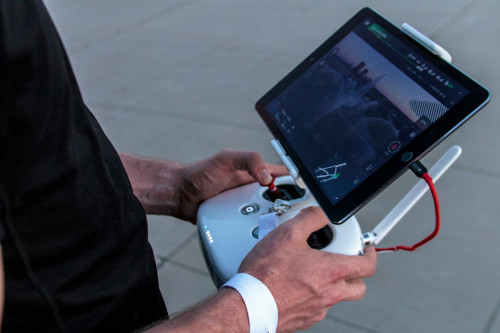
The future of collaboration isn’t just about robots understanding humans—it’s also about humans learning to understand robots. This requires new skills and a new kind of digital literacy.
Across the U.S., companies are training employees to program and customize robots through simple interfaces. Instead of seeing robots as competitors, workers learn to treat them as teammates—tools they can shape and control. This sense of ownership makes technology more accessible and less intimidating.
Looking Ahead
When humans and robots work together, a new kind of workspace emerges—one where technology and humanity meet. Designing natural interaction is key to making that partnership successful. The more intuitive the collaboration feels, the more we can harness the potential of robotics without losing the human touch.
The workplaces of the future won’t be about replacing people, but about amplifying what we do best—with robots as partners that understand us, respond to us, and help us reach new levels of creativity and efficiency.
Læs også: