The Digital Workplace in Transition: When Technology Meets New Expectations

The Digital Workplace in Transition: When Technology Meets New Expectations
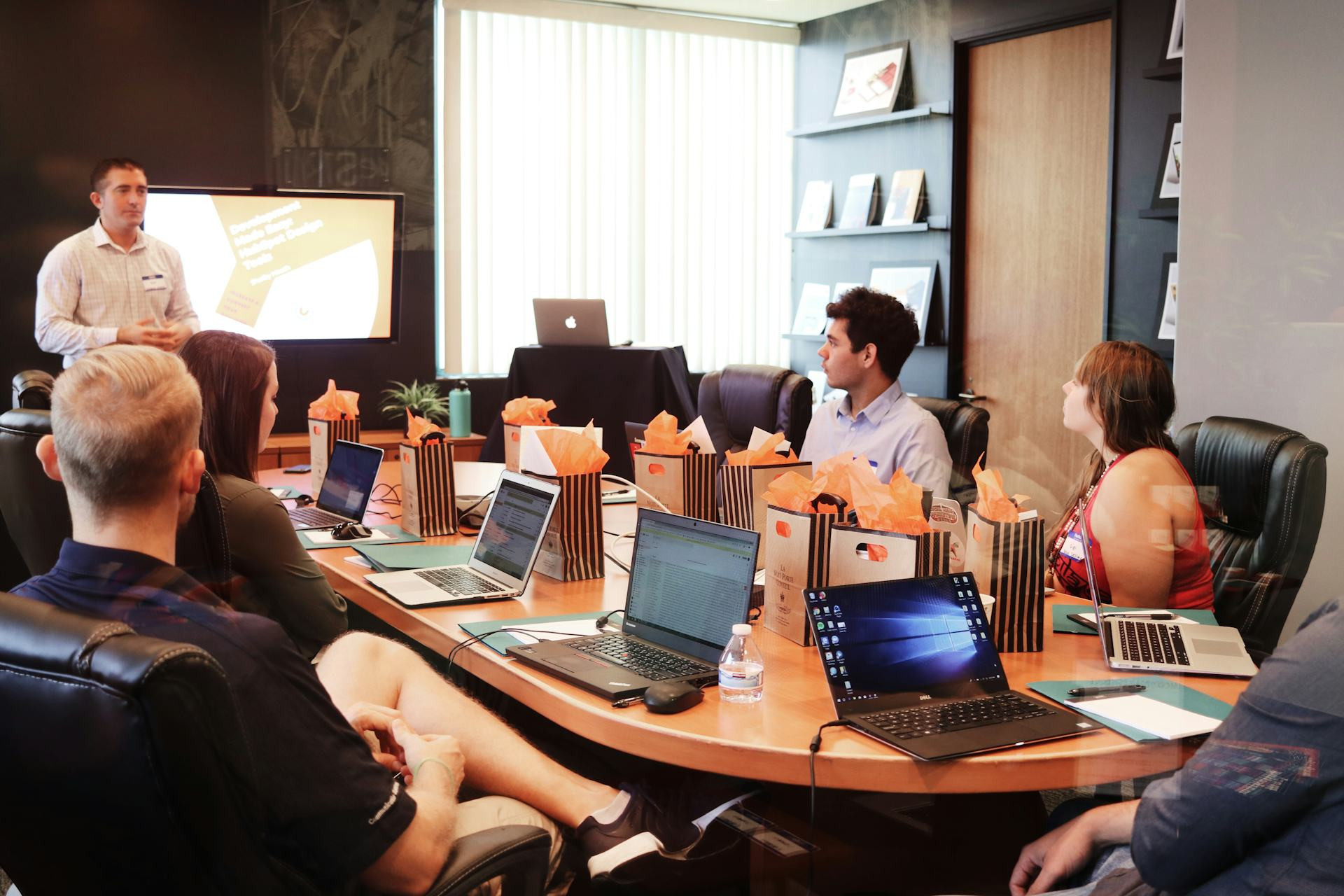
The digital workplace is no longer a futuristic concept—it’s the reality of how work gets done today. New technologies, hybrid work models, and shifting expectations from both employees and leaders have transformed the American workplace in just a few years. Where the office once served as the natural hub for collaboration, digital platforms now connect teams across cities, time zones, and even continents. But how can organizations create a workplace that harnesses technology’s potential while meeting human needs?
From Office to Cloud – A New Infrastructure for Collaboration
Digital transformation has moved the workplace from physical offices to virtual environments. Cloud-based tools like Microsoft 365, Google Workspace, Slack, and Zoom have become the backbone of collaboration, enabling teams to share documents, hold meetings, and manage projects from anywhere. Many U.S. companies have downsized their office footprints, investing instead in digital infrastructure and flexible work policies.
This shift has brought greater flexibility—but also new complexity. When everything happens online, structure, communication, and cybersecurity become critical. Clear guidelines and a shared digital culture are essential to ensure that technology supports productivity rather than creating confusion.
New Expectations from Employees
The pandemic permanently changed how Americans think about work. Employees now expect flexibility not as a perk, but as a standard. They want the freedom to choose where and when they work best, and they expect technology to make that possible—without adding friction or stress.
For employers, this means focusing on user experience and well-being when selecting digital tools. A platform that’s clunky or overwhelming can quickly lead to frustration and disengagement. Today’s workforce expects technology that is intuitive, integrated, and designed around their needs—not the other way around.
Læs også:


Leadership in a Digital Era
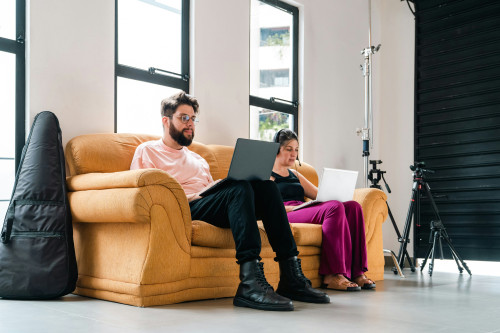
When teams are distributed, leadership must evolve. Trust, communication, and visibility become the cornerstones of effective management. Digital tools can help leaders stay connected and transparent, but they can’t replace genuine human connection.
Strong digital leaders combine data-driven insight with empathy. They use analytics to understand workflows but also take time to check in on morale and motivation. Virtual meetings and chat channels can’t fully replicate the spontaneous hallway conversation—but when used thoughtfully, they can foster connection and inclusion across distances.
Artificial Intelligence as a Colleague
Artificial intelligence is rapidly becoming a standard part of the digital workplace. From automating routine tasks to providing intelligent assistance in writing, analysis, and planning, AI is reshaping how work gets done. It frees employees to focus on creative and strategic work—but it also demands new skills and ethical awareness.
Organizations that integrate AI thoughtfully can boost both efficiency and innovation. But success depends on trust and understanding. Employees need training to use AI responsibly and confidently, and companies must be transparent about how these tools are applied. Open dialogue about ethics, privacy, and accountability will be key to building a sustainable digital culture.
Culture and Connection in a Virtual World
One of the biggest challenges of the digital workplace is maintaining a sense of community. When colleagues don’t meet in person every day, relationships and team spirit can fade. Many U.S. companies are responding by creating digital spaces for connection—virtual coffee breaks, online social channels, and hybrid team events.
Still, culture can’t be programmed into software. It must be built on trust, openness, and shared values. Technology can support culture, but people give it meaning. Leaders who invest in connection—both online and offline—will build stronger, more resilient teams.
The Future Workplace – Flexible, Human, and Technological
The digital workplace will continue to evolve. New tools, new generations, and new expectations will keep reshaping how Americans work. The most successful organizations will be those that combine technological efficiency with human insight and flexibility.
It’s not just about adopting the latest systems—it’s about creating a workplace where technology and people work together, enhancing both productivity and well-being. The future of work belongs to those who can balance innovation with empathy, and efficiency with humanity.
Læs også: