New Skills in the Age of AI: How Employees Can Keep Up with the Changes


New Skills in the Age of AI: How Employees Can Keep Up with the Changes
Artificial intelligence (AI) is no longer a futuristic concept—it’s part of everyday life in workplaces across the United States. From automated customer service systems to advanced data analytics and content generation, AI is transforming how we work. For employees, this shift brings new demands but also new opportunities for growth. The question is no longer if AI will affect your job, but how you can adapt and thrive in this new environment.
A New Reality at Work
AI is reshaping nearly every industry. In manufacturing, algorithms optimize production lines; in healthcare, they assist with diagnostics; and in offices, they automate repetitive tasks. As a result, many traditional roles are evolving or disappearing, while new ones are emerging—roles that rely on human judgment, creativity, and collaboration.
The key for employees is not to compete with machines, but to learn how to work alongside them. Those who understand how to use AI as a tool will be best positioned to succeed in the future job market.
The Most Important Skills in the AI Era
While technology evolves rapidly, certain core skills remain essential across industries:
- Digital literacy – Understand how AI works and what it can (and cannot) do. You don’t need to be a programmer, but you should grasp the basic principles behind the technology.
- Data literacy – The ability to read, interpret, and use data in decision-making is becoming increasingly valuable.
- Critical thinking – AI can generate answers, but not always the right ones. Being able to evaluate the quality of AI outputs and ask the right questions is crucial.
- Creativity and innovation – Machines can analyze, but humans create. The ability to think differently and combine ideas in new ways will be a major advantage.
- Communication and collaboration – As technology takes over routine tasks, human relationships and cross-functional teamwork become even more important.
How to Develop Your AI Skills
Keeping up with AI doesn’t have to be overwhelming. Here are some practical ways to start:
- Take short online courses – Many platforms, including Coursera, edX, and LinkedIn Learning, offer free or affordable courses on AI, data analysis, and digital transformation.
- Experiment in your daily work – Try using AI tools to draft emails, analyze data, or plan projects. Hands-on experience is one of the best ways to learn.
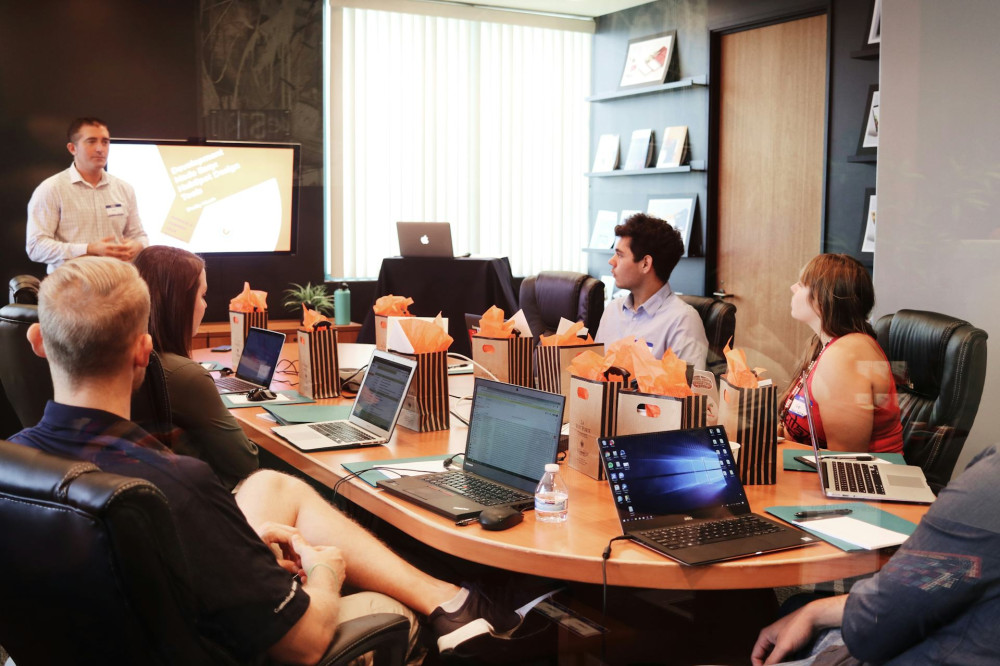
- Join internal training programs – Many U.S. companies now offer workshops or “innovation days” where employees can learn from experts and peers.
- Stay informed – Read articles, listen to podcasts, and follow thought leaders on social media to keep up with the latest developments.
- Collaborate across disciplines – Work with colleagues who have technical expertise, and share your own knowledge of business, customers, or processes. The best results come from combining different perspectives.
Læs også:



The Role of Leadership: Building a Learning Culture
For employees to grow, leadership must create the right environment. This means more than just offering training—it’s about fostering a culture where learning and experimentation are encouraged.
When employees feel safe to try new tools without fear of failure, innovation flourishes. At the same time, leaders should be transparent about how AI is used in the organization, both to build trust and to ensure that technology is applied ethically and responsibly.
Keeping Humans at the Center
While AI can seem overwhelming, it’s important to remember that technology is a tool—not a replacement for people. The best outcomes arise when human intuition and technological precision work together.
Future employees don’t need to be AI experts, but they do need to be curious, adaptable, and eager to learn. These are the qualities that make us human—and no algorithm can replicate them.
A Future Full of Opportunity
The age of AI demands change, but it also offers tremendous opportunity. For individual employees, it’s a chance to learn new skills, take on more meaningful work, and play an active role in shaping the future of technology.
By taking small steps—learning, experimenting, and collaborating—you can not only keep up with the changes but help lead the way.
Læs også: