Play with Peace of Mind – How to Avoid Stress While Gaming

Play with Peace of Mind – How to Avoid Stress While Gaming
For many Americans, gaming is a favorite way to relax, connect with friends, and challenge the mind. But even something meant for fun can sometimes lead to stress, frustration, or burnout—especially when competition heats up or when you feel pressure to perform. The good news is that with a few mindful habits, you can keep gaming enjoyable and stress-free. Here’s how to play with peace of mind while keeping your love for gaming alive.
Understand Why Gaming Stress Happens
Stress while gaming rarely comes from the game itself. It often stems from how we approach it—whether it’s the drive to win, the fear of falling behind, or the frustration of losing control. Maybe you feel like you have to rank up to prove your skill, or that you’re wasting time if you don’t meet your in-game goals.
Your body reacts to gaming stress the same way it would to any other challenge: your heart rate rises, your muscles tense, and your focus narrows. In short bursts, that’s fine—it’s part of what makes gaming exciting. But if it becomes constant, it can lead to fatigue, irritability, and even sleep problems.
The first step to managing stress is recognizing what triggers it. Is it competitive pressure? Toxic chat interactions? Or maybe guilt about how much time you spend playing? Once you identify your triggers, you can start changing how you respond to them.
Create a Calming Gaming Environment
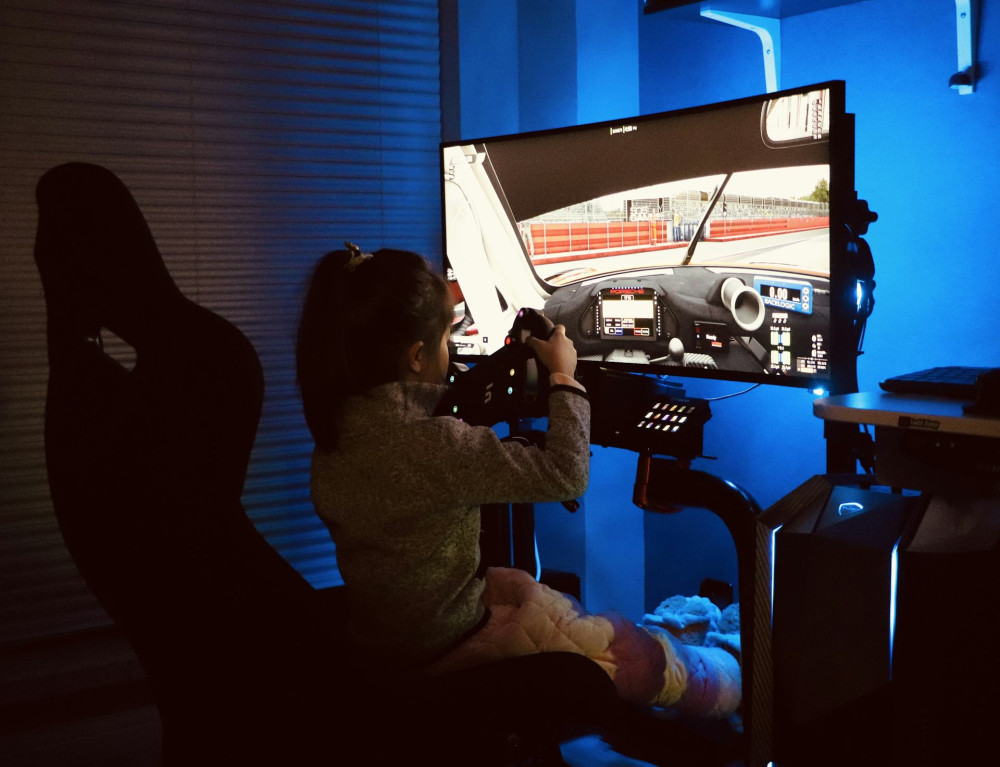
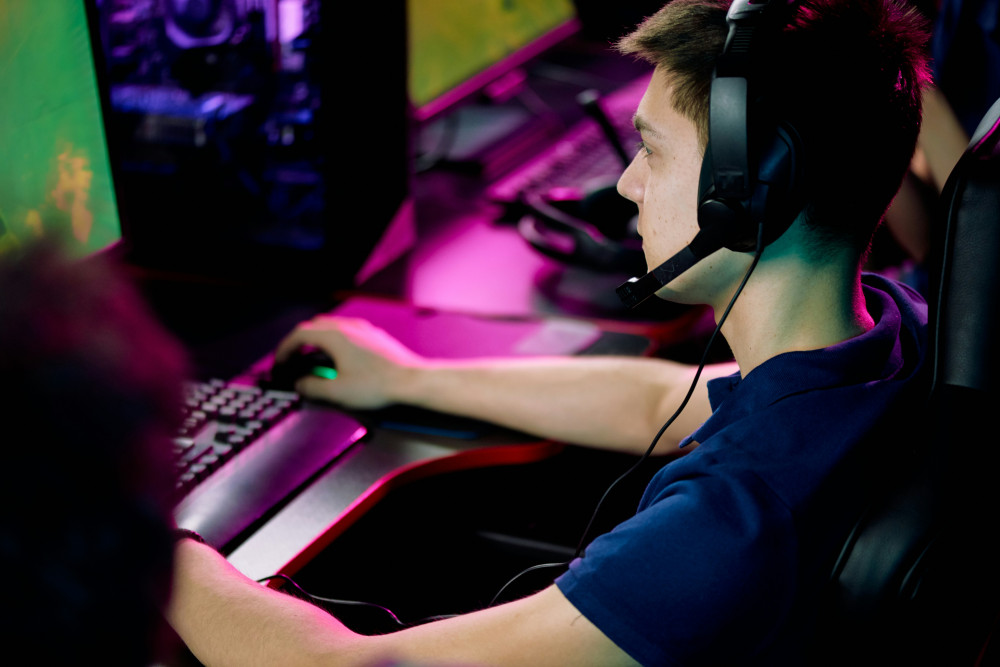
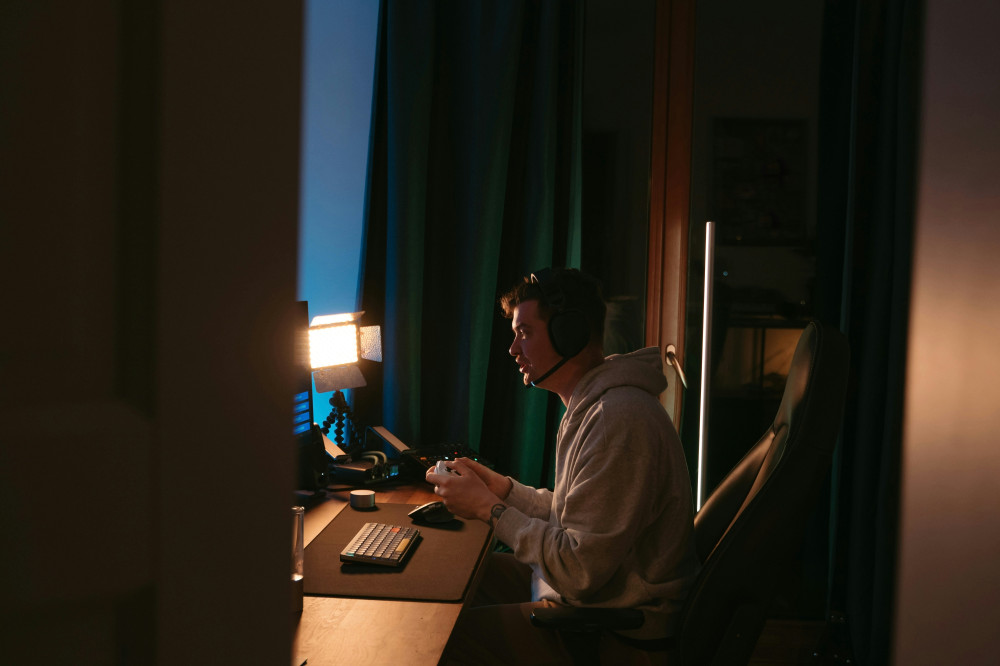
A peaceful mindset starts with a comfortable setup. Your gaming space should help you focus and relax—not overstimulate you.
- Lighting and sound: Avoid harsh lighting and loud, chaotic noise. Use soft lighting and a quality headset that blocks distractions.
- Comfort: Invest in a supportive chair and make sure your monitor is at eye level. Physical discomfort can amplify mental stress.
- Breaks: Take short breaks every 45–60 minutes. Stretch, hydrate, or step outside for a few minutes of fresh air.
- Screen-free time: Set boundaries so gaming doesn’t take over your entire day. Giving your brain time to rest helps you return to the game refreshed.
A calm physical space makes it easier to stay mentally balanced—even when the game gets intense.
Læs også:
Learn to Handle Loss and Pressure
No one wins every match. How you deal with setbacks can make all the difference in how stressed you feel. Try to see losses as part of the learning process, not as personal failures.
- Focus on growth, not results. Ask yourself, “What did I learn from that match?” instead of “Why did I lose?”
- Leave the game in the game. When you log off, let go of the frustration. Think of it like finishing a movie—you can always come back later.
- Connect with others. Talking with friends or teammates about your experiences—good or bad—can help you laugh off mistakes and keep perspective.
Accepting that you can’t control everything is key to enjoying gaming without stress.
Balance Gaming with the Rest of Your Life
Even the best games lose their magic if they take up too much of your time and energy. Maintaining a healthy balance between gaming and other activities is essential for long-term enjoyment.
Plan your gaming sessions around other parts of your life—work, school, exercise, and social time. Many players find they perform better after taking breaks and engaging in other fulfilling activities.
If you notice yourself becoming irritable, restless, or losing interest in games you usually love, it might be time for a short break. That’s not a failure—it’s a sign that you’re taking care of yourself.
Try Mindfulness and Focus Techniques
More gamers are discovering that mindfulness can help them stay calm and focused, especially in competitive settings. You don’t need to meditate for hours—just a few small habits can make a big difference.
Try these simple techniques:
- Deep breathing: Take a few slow breaths before a match to lower your heart rate and sharpen your focus.
- Post-game reflection: After playing, take a minute to notice how you feel—energized, tired, or tense. This awareness helps you adjust next time.
- Stay present: Instead of worrying about what could go wrong, focus on what’s happening right now in the game.
These small moments of awareness can improve both your performance and your well-being.
Play for Joy, Not Obligation
The most important reminder is also the simplest: remember why you play. Gaming should be fun, challenging, and rewarding—not a source of stress or guilt.
If gaming starts to feel like a chore, switch things up. Try a new genre, play with friends, or take a short break. Sometimes, stepping away helps you rediscover the joy that brought you to gaming in the first place.
When you play with peace of mind, you think more clearly, react faster, and enjoy every moment more fully. After all, gaming is meant to be a source of joy—so let it stay that way.
Læs også: