Cloud Gaming and Sustainability: Play More Eco‑Friendly with Less Hardware


Cloud Gaming and Sustainability: Play More Eco‑Friendly with Less Hardware
For decades, gaming has been tied to powerful consoles, high-end PCs, and a constant cycle of hardware upgrades. But as technology evolves, so does the way we play. Cloud gaming—where games run on remote servers instead of your own device—is not only changing how we access games but also how we think about sustainability. The question is: can moving gaming to the cloud really make it greener?
What Is Cloud Gaming?
Cloud gaming works much like streaming movies or music. Instead of downloading and installing a game, you stream it directly from a data center. The game runs on a powerful server, and your device simply displays the video feed and sends back your inputs. This means you can play demanding titles on a modest laptop, tablet, or even a smartphone—no expensive hardware required.
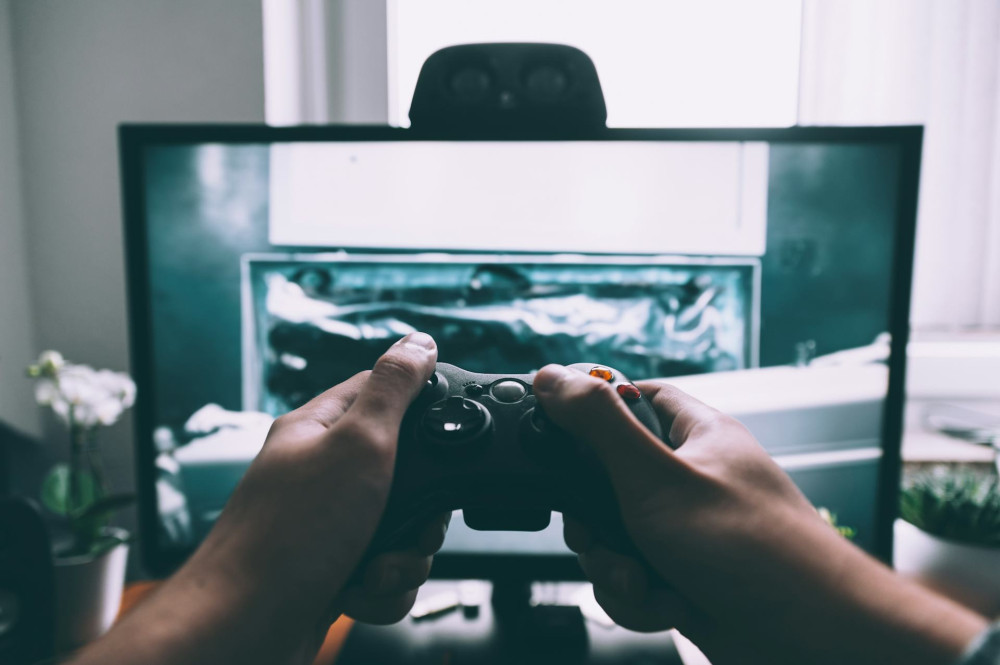
Services such as NVIDIA GeForce Now, Xbox Cloud Gaming, and Amazon Luna have made high-quality gaming accessible to anyone with a stable internet connection. All you need is a controller and a decent broadband or 5G connection.
Less Hardware, Less Waste
One of the biggest environmental benefits of cloud gaming is the reduced need for physical hardware. Traditional gaming often involves upgrading consoles or PCs every few years to keep up with new releases. This cycle generates large amounts of electronic waste, which contains rare metals and materials that are difficult to recycle.
By shifting the heavy computing to the cloud, players can use the same lightweight device for years. That means fewer new machines being produced and fewer old ones ending up in landfills. Data centers can also use their hardware more efficiently, sharing resources among thousands of players instead of each gamer running their own high-powered system.
Energy Use: A Balancing Act
While cloud gaming cuts down on energy use at home, it shifts the demand to data centers, which require electricity for both computing and cooling. The overall environmental impact depends heavily on how those data centers are powered.
The good news is that major tech companies are investing in greener operations. Microsoft aims to be carbon negative by 2030, and Google already matches its global electricity use with renewable energy purchases. As more data centers transition to clean power, the carbon footprint of cloud gaming could shrink significantly.
The Role of Internet Infrastructure
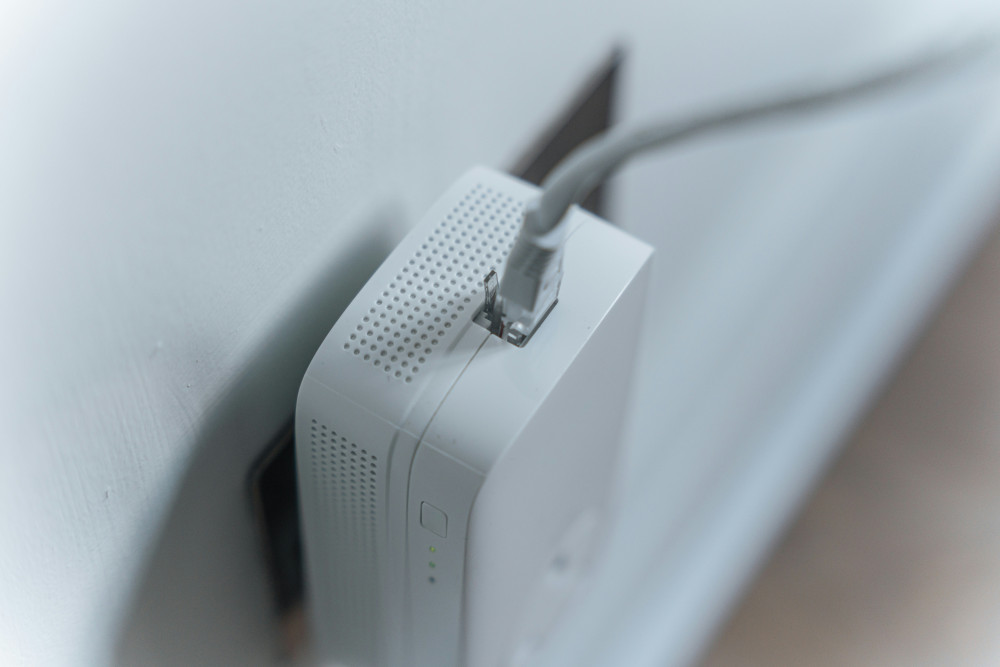
Cloud gaming relies on fast, stable internet connections, which means the energy used by network infrastructure also matters. Streaming games in 4K resolution consumes far more data than browsing or video calls, and that data must travel through routers, fiber networks, and wireless towers—all of which use electricity.
To make cloud gaming truly sustainable, internet providers and tech companies need to continue improving energy efficiency and expanding access to renewable-powered networks. In the U.S., where broadband access and energy sources vary widely by region, this will be a key factor in determining how green cloud gaming can become.
Læs også:

How You Can Play More Sustainably
Even as technology advances, individual gamers can make choices that reduce their environmental impact:
- Use energy-efficient devices – Play on laptops, tablets, or smart TVs that consume less power.
- Turn off devices when not in use – Standby mode still draws electricity.
- Choose providers with green commitments – Many cloud gaming services publish sustainability goals and energy reports.
- Stream smartly – Lowering resolution or limiting playtime can reduce data use and energy consumption.
Small changes in gaming habits can add up, especially when millions of players take part.
The Future of Gaming: Flexible and Green
Cloud gaming is still evolving, but its potential is enormous. It can make gaming more accessible, reduce the need for constant hardware upgrades, and lower the industry’s overall environmental footprint—especially as data centers move toward renewable energy.
For players, it means enjoying the latest titles without owning a high-end machine. For the planet, it means fewer resources consumed and less waste produced. If developed responsibly, cloud gaming could mark a new era where entertainment and sustainability go hand in hand.
Læs også: